


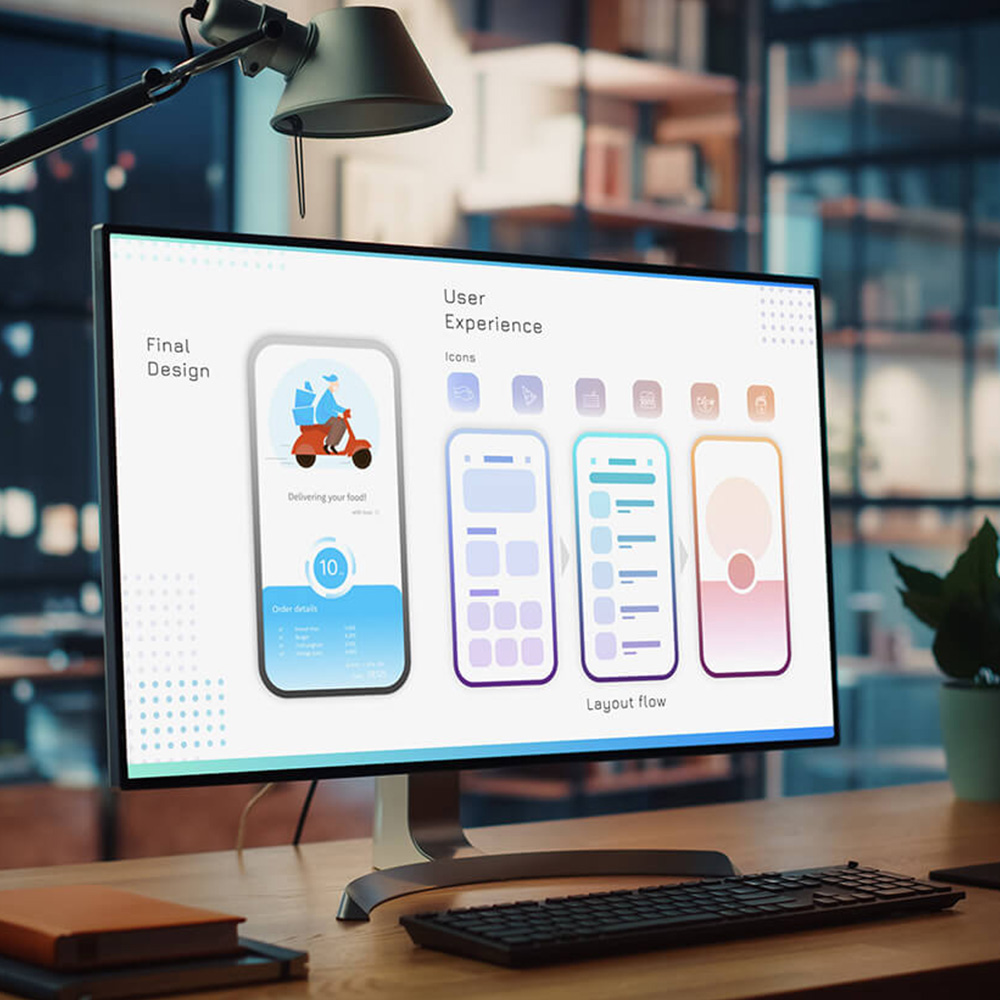



- Modern platforms like upsi.org.uk simplify student life and enhance learning opportunities for all
- The Role of Digital Platforms in Modern Education
- Enhancing Communication and Collaboration
- Streamlining Administrative Tasks for Students
- Managing Course Materials and Deadlines
- Enhancing Student Well-being and Support Services
- Accessing Mental Health and Wellness Resources
- The Future of Student Platforms: Personalization and AI Integration
- Navigating the Digital Landscape and Ensuring Accessibility
Modern platforms like upsi.org.uk simplify student life and enhance learning opportunities for all
In today's rapidly evolving educational landscape, students are constantly seeking ways to optimize their learning experience and streamline their academic processes. The demands of coursework, extracurricular activities, and personal life can often be overwhelming, leading to increased stress and decreased efficiency. Fortunately, innovative platforms are emerging to address these challenges, offering comprehensive solutions designed to enhance student life. One such platform is upsi.org.uk, a resource dedicated to providing students with the tools and support they need to thrive academically and personally.
The digital age has revolutionized how students approach learning. Traditional methods are increasingly complemented by online resources, collaborative tools, and personalized learning pathways. However, navigating this vast digital landscape can be daunting. Students need a centralized hub where they can access relevant information, connect with peers, and manage their academic commitments effectively. Platforms like upsi.org.uk aim to provide this much-needed structure and support, empowering students to take control of their education and achieve their full potential. These platforms don’t just offer convenience; they foster a more engaging and effective learning environment.
The Role of Digital Platforms in Modern Education
Digital platforms have become indispensable tools for students, transforming the way they access information, complete assignments, and interact with their peers and instructors. The traditional classroom setting is no longer the sole source of knowledge; students can now access a wealth of educational resources online, including lectures, articles, videos, and interactive simulations. This accessibility allows for self-paced learning and caters to diverse learning styles. Moreover, these platforms often facilitate communication and collaboration, enabling students to work on projects together, share ideas, and receive feedback from instructors in a timely manner. The integration of technology into education is not merely a trend but a fundamental shift in how learning is approached.
Enhancing Communication and Collaboration
Effective communication is at the heart of successful learning. Digital platforms facilitate seamless communication between students, instructors, and support staff. Features like discussion forums, instant messaging, and video conferencing enable real-time interaction, fostering a sense of community and collaboration. Students can easily ask questions, share insights, and receive guidance from their peers and professors, regardless of their physical location. This constant flow of communication promotes a more dynamic and engaging learning environment. The ability to connect with others quickly and efficiently is a significant benefit of these platforms, particularly for students who may be hesitant to participate in traditional classroom settings.
| Feature | Benefit to Students |
|---|---|
| Online Resource Access | Provides 24/7 access to learning materials, supporting self-paced study. |
| Communication Tools | Enables quick and easy interaction with peers and instructors. |
| Assignment Submission | Streamlines the process of submitting and receiving feedback on assignments. |
| Progress Tracking | Allows students to monitor their academic performance and identify areas for improvement. |
The benefits of these features extend beyond simply making information accessible. They actively promote a more collaborative and supportive learning experience, ultimately contributing to improved academic outcomes. Platforms are evolving to include more sophisticated analytics, giving students even deeper insights into their learning habits and areas where they need to focus their efforts.
Streamlining Administrative Tasks for Students
Beyond academic support, digital platforms also play a crucial role in streamlining administrative tasks for students. Managing course schedules, tracking grades, and accessing important announcements can be time-consuming and stressful. Platforms often integrate with university systems to provide students with a centralized dashboard where they can manage all of their academic affairs. This centralized approach eliminates the need to navigate multiple websites and systems, saving students valuable time and effort. Furthermore, these platforms frequently offer features like automated reminders for deadlines and personalized recommendations based on academic performance. This proactive approach helps students stay organized and on track.
Managing Course Materials and Deadlines
Keeping track of course materials and deadlines is a constant challenge for students. Digital platforms often provide a centralized repository for all course-related documents, including syllabi, assignments, and readings. These materials are typically organized in a clear and intuitive manner, making it easy for students to find what they need. In addition, the platforms frequently integrate with calendar applications, allowing students to automatically add deadlines to their personal schedules. This integration helps students prioritize their tasks and manage their time effectively, reducing the risk of missing important deadlines. The convenience of having all course materials in one place significantly reduces stress and improves overall academic organization.
- Centralized access to all course documents.
- Automated reminders for upcoming deadlines.
- Integration with personal calendar applications.
- Easy navigation and intuitive organization of materials.
The ability to access course materials from any device, at any time, is another significant advantage. Students can work on assignments, review readings, and prepare for exams regardless of their location. This flexibility is particularly beneficial for students who have busy schedules or who are studying remotely.
Enhancing Student Well-being and Support Services
Student life isn't solely about academics; it's also about personal well-being and overall support. Digital platforms are increasingly recognizing this need and offering resources to help students manage stress, access mental health services, and connect with support networks. Many platforms provide access to online counseling, self-help resources, and peer support groups. This proactive approach to student well-being is crucial in fostering a healthy and supportive learning environment. Recognizing the challenges students face and providing accessible support services can significantly improve their overall experience and academic success.
Accessing Mental Health and Wellness Resources
The demands of academic life can take a toll on students' mental health. Digital platforms are providing easier access to mental health resources, including online counseling, self-assessment tools, and information about available support services. Many platforms are also partnering with mental health organizations to offer workshops and webinars on topics like stress management, anxiety, and depression. This increased accessibility to mental health support is helping to destigmatize mental illness and encourage students to seek help when they need it. Creating a culture of support and open communication is essential for promoting student well-being.
- Online counseling sessions with qualified professionals.
- Self-assessment tools to identify potential mental health concerns.
- Information about campus and community resources.
- Workshops and webinars on stress management and coping skills.
Furthermore, platforms are leveraging technology to personalize the support they offer. By analyzing student data, they can identify individuals who may be struggling and proactively offer assistance. This personalized approach ensures that students receive the right support at the right time.
The Future of Student Platforms: Personalization and AI Integration
The evolution of student platforms is far from over. We are on the cusp of a new era of personalized learning, driven by advancements in artificial intelligence (AI). AI-powered platforms can analyze student data to identify individual learning patterns, strengths, and weaknesses. This information can then be used to create personalized learning pathways, tailored to each student's unique needs. Imagine a platform that automatically adjusts the difficulty level of assignments based on a student’s performance, or that recommends specific resources to address their individual learning gaps. This level of personalization has the potential to significantly enhance the learning experience and improve academic outcomes. The integration of AI into student platforms is poised to revolutionize the way we think about education.
Beyond personalization, AI can also automate many of the administrative tasks that currently burden students and instructors. Automated grading, feedback generation, and scheduling can free up valuable time, allowing educators to focus on what they do best: teaching and mentoring. AI-powered chatbots can provide instant answers to frequently asked questions, reducing the workload on support staff. As AI technology continues to evolve, we can expect to see even more innovative applications emerge, further transforming the student experience. Platforms like upsi.org.uk are positioning themselves to be at the forefront of this revolution, offering students the cutting-edge tools and support they need to succeed.
Navigating the Digital Landscape and Ensuring Accessibility
While the benefits of digital platforms are undeniable, it’s crucial to address the potential challenges associated with accessibility and digital equity. Not all students have equal access to technology or the internet. Therefore, it’s essential that platforms are designed to be inclusive and accessible to all learners, regardless of their socioeconomic background or physical abilities. This includes providing support for assistive technologies, offering alternative formats for learning materials, and ensuring that platforms are compatible with a wide range of devices. Furthermore, it’s important to address the digital literacy gap by providing training and resources to help students develop the skills they need to navigate the digital landscape effectively. Ensuring equitable access to technology and digital literacy is paramount for maximizing the benefits of these platforms.
The ongoing development of these platforms must prioritize user experience, constantly seeking feedback from students and adapting to their evolving needs. Features should be intuitive and easy to use, minimizing the learning curve and maximizing engagement. Regularly updating content and incorporating new technologies is also essential for maintaining relevance and providing students with the most up-to-date resources. The ultimate goal is to create a seamless and supportive learning environment that empowers students to achieve their academic and personal goals. The platforms of tomorrow will be those that prioritize accessibility, personalization, and continuous improvement, truly serving the needs of all students.