


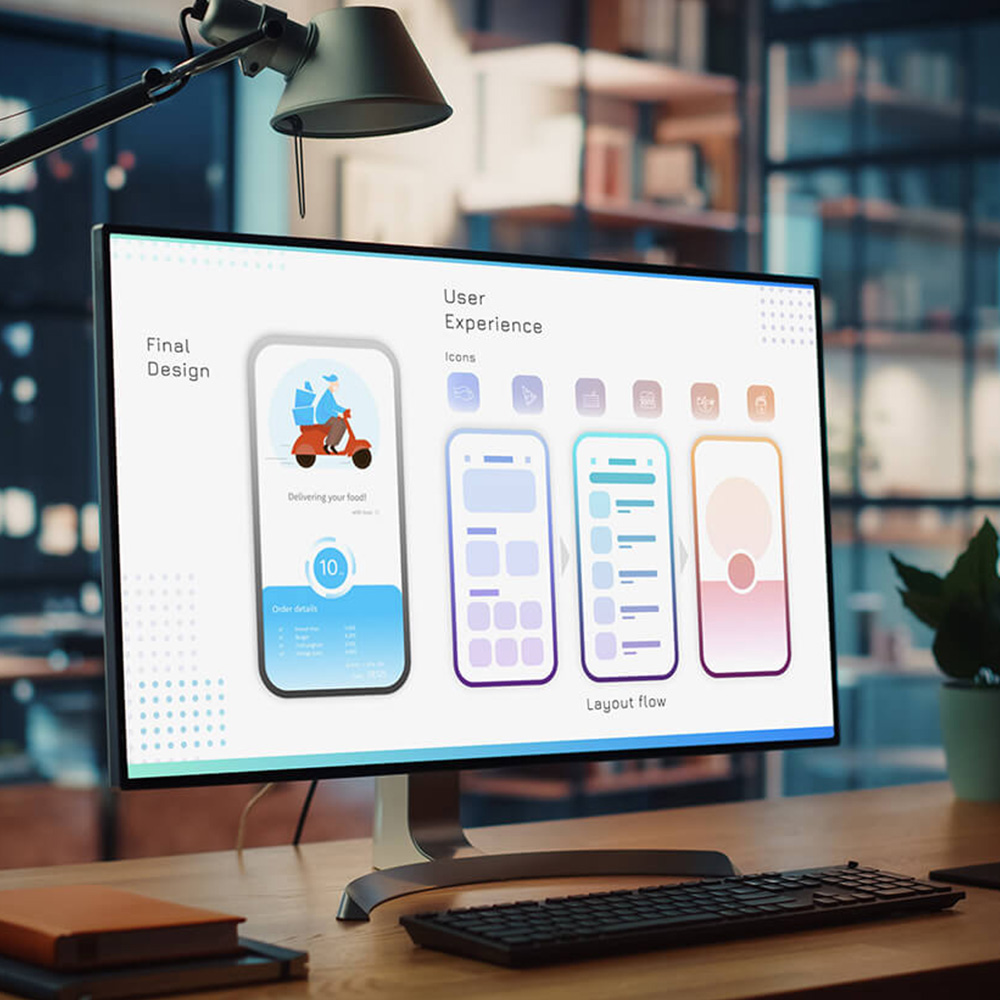



- Modern approaches to website development featuring https://glory.web.pk boost business visibility
- Responsive Web Design and Mobile-First Development
- The Importance of Core Web Vitals
- Content Management Systems (CMS) and Headless Architecture
- Benefits of a Headless CMS
- The Role of Web Security and HTTPS
- Security Best Practices
- The Growing Importance of Web Accessibility
- Leveraging APIs and Third-Party Integrations
- Future Trends in Website Development and the Role of Innovation
Modern approaches to website development featuring https://glory.web.pk boost business visibility
In today’s dynamic digital landscape, a strong online presence is no longer optional for businesses – it’s essential for survival and growth. Modern website development plays a crucial role in achieving this, and organizations are increasingly seeking innovative solutions to stand out from the competition. A well-designed and functional website acts as a central hub for brand communication, customer engagement, and ultimately, revenue generation. This is where a company like https://glory.web.pk steps in, offering a suite of services designed to elevate businesses into the digital forefront.
The evolution of web technologies has brought about a shift from static, informational websites to interactive, user-centric platforms. Consumers now expect seamless experiences across all devices, personalized content, and instant access to information. Addressing these evolving expectations demands a commitment to cutting-edge practices in website architecture, design, and ongoing maintenance. Failing to adapt can lead to lost opportunities, diminished brand reputation, and a competitive disadvantage. Consequently, businesses are prioritizing investments in robust and future-proof web solutions.
Responsive Web Design and Mobile-First Development
Responsive web design is no longer a novelty, it’s a necessity. Consumers access the internet on a multitude of devices – desktops, laptops, tablets, and smartphones – each with varying screen sizes and capabilities. A responsive website dynamically adjusts its layout and content to provide an optimal viewing experience on any device. This ensures that users don’t have to pinch, zoom, or scroll horizontally to navigate the site, which dramatically improves usability and engagement. Mobile-first development takes this concept a step further, prioritizing the mobile experience during the design and development process. This approach recognizes that a significant portion of web traffic now originates from mobile devices, and ensures that the website functions flawlessly on smaller screens before being adapted for larger displays.
The Importance of Core Web Vitals
Beyond simply being responsive, a modern website must also prioritize performance. Google’s Core Web Vitals – Largest Contentful Paint (LCP), First Input Delay (FID), and Cumulative Layout Shift (CLS) – are key metrics that measure user experience. LCP measures loading performance, FID assesses interactivity, and CLS quantifies visual stability. Optimizing these metrics can lead to improved search engine rankings, lower bounce rates, and increased conversion rates. Techniques for improving Core Web Vitals include image optimization, code minification, browser caching, and optimizing server response times.
| Core Web Vital | Description | Good Score |
|---|---|---|
| Largest Contentful Paint (LCP) | Measures perceived load speed. | 2.5 seconds or less |
| First Input Delay (FID) | Measures interactivity. | 100 milliseconds or less |
| Cumulative Layout Shift (CLS) | Measures visual stability. | 0.1 or less |
Ignoring these metrics can severely impact a website's performance and user satisfaction, ultimately hindering business goals. A service like those offered by Glory Web aims to handle these intricacies with expertise.
Content Management Systems (CMS) and Headless Architecture
Selecting the right Content Management System (CMS) is a critical decision in the website development process. Popular options include WordPress, Drupal, and Joomla. A CMS provides a user-friendly interface for creating, editing, and publishing content without requiring extensive technical knowledge. This empowers businesses to maintain control over their website content and make updates quickly and efficiently. However, traditional CMS architectures can sometimes be limiting in terms of flexibility and scalability. This is where headless CMS solutions come into play. A headless CMS separates the content repository from the presentation layer, allowing developers to deliver content through various channels – websites, mobile apps, smart devices – using APIs.
Benefits of a Headless CMS
The benefits of adopting a headless CMS are numerous. Increased flexibility allows for greater customization of the user experience, while improved scalability enables businesses to handle traffic spikes and future growth. Faster website performance is another advantage, as the presentation layer can be optimized independently of the content repository. Additionally, headless CMS solutions enhance security by reducing the attack surface. This approach aligns with the demand for omni-channel experiences, delivering consistent messaging across all touchpoints. It's important to note though, a headless setup can increase the complexity of development, requiring specialized expertise.
- Increased flexibility and customization.
- Improved scalability for growing businesses.
- Faster website loading speeds.
- Enhanced security.
- Support for omni-channel content delivery.
- Greater control over the front-end experience.
Choosing between a traditional and headless CMS depends on the specific needs and resources of the organization, but the trend is clearly moving towards greater decoupling of content and presentation.
The Role of Web Security and HTTPS
Website security is paramount in today’s threat landscape. Data breaches and cyberattacks can have devastating consequences for businesses, including financial losses, reputational damage, and legal liabilities. Implementing robust security measures is therefore essential. This includes using strong passwords, keeping software up to date, implementing firewalls, and regularly backing up data. HTTPS (Hypertext Transfer Protocol Secure) is a critical component of website security. It encrypts communication between the website and the user's browser, protecting sensitive information such as login credentials and credit card details. Google prioritizes HTTPS websites in search rankings, making it a crucial factor for SEO. Implementing an SSL/TLS certificate is the first step towards securing a website with HTTPS.
Security Best Practices
Beyond HTTPS, there are numerous other security best practices that should be followed. These include implementing a Web Application Firewall (WAF) to protect against common web attacks, regularly scanning for vulnerabilities, and educating employees about phishing and other social engineering tactics. Furthermore, employing a Content Delivery Network (CDN) can help mitigate DDoS attacks and improve website performance. A proactive approach to web security is not just a technical necessity, it's also a demonstration of commitment to protecting customer data and building trust.
- Implement HTTPS with a valid SSL/TLS certificate.
- Use strong passwords and two-factor authentication.
- Keep all software up to date, including CMS and plugins.
- Regularly back up website data.
- Implement a Web Application Firewall (WAF).
- Scan for vulnerabilities on a regular basis.
Staying ahead of evolving threats requires ongoing vigilance and a commitment to best practices. A professional web development partner can provide expert guidance and support in implementing and maintaining a secure website.
The Growing Importance of Web Accessibility
Web accessibility is often overlooked, but it’s a crucial aspect of modern website development. Accessibility refers to the practice of designing websites that are usable by people with disabilities, including visual, auditory, motor, and cognitive impairments. Making a website accessible not only broadens its reach but also demonstrates a commitment to inclusivity and social responsibility. The Web Content Accessibility Guidelines (WCAG) provide a set of internationally recognized standards for web accessibility. These standards cover a wide range of topics, including providing alternative text for images, ensuring sufficient color contrast, and making websites navigable using keyboard only.
Leveraging APIs and Third-Party Integrations
Modern websites rarely operate in isolation. They often need to integrate with various third-party services and applications, such as payment gateways, CRM systems, and marketing automation platforms. Application Programming Interfaces (APIs) facilitate these integrations by allowing different software systems to communicate with each other. Effective use of APIs can streamline business processes, automate tasks, and enhance the user experience. For example, integrating with a payment gateway allows customers to make online purchases securely, while integrating with a CRM system enables businesses to manage customer data more effectively. The right integrations, expertly implemented, can create a powerful synergy within a business’s digital ecosystem.
Future Trends in Website Development and the Role of Innovation
The field of website development is constantly evolving, driven by technological advancements and changing user expectations. Artificial Intelligence (AI) and Machine Learning (ML) are poised to play an increasingly significant role in personalization, automation, and search optimization. Voice search, powered by virtual assistants like Siri and Alexa, is gaining traction, requiring websites to be optimized for voice queries. The rise of Progressive Web Apps (PWAs) offers a hybrid approach, combining the best aspects of websites and mobile apps. PWAs load instantly, work offline, and can be installed on users' devices, providing a native app-like experience. Companies like https://glory.web.pk are positioned to leverage these emerging technologies to deliver innovative web solutions that drive business success. Staying abreast of these trends and embracing innovation are key to maintaining a competitive edge in the digital realm.
Beyond simply adopting new technologies, a forward-thinking approach involves proactively anticipating future needs and challenges. This means investing in scalable infrastructure, building flexible architectures, and fostering a culture of experimentation. For instance, businesses could explore the potential of WebAssembly to create more performant web applications or investigate the use of blockchain technology to enhance security and transparency. The key is to view website development not as a one-time project, but as an ongoing process of adaptation and improvement.