


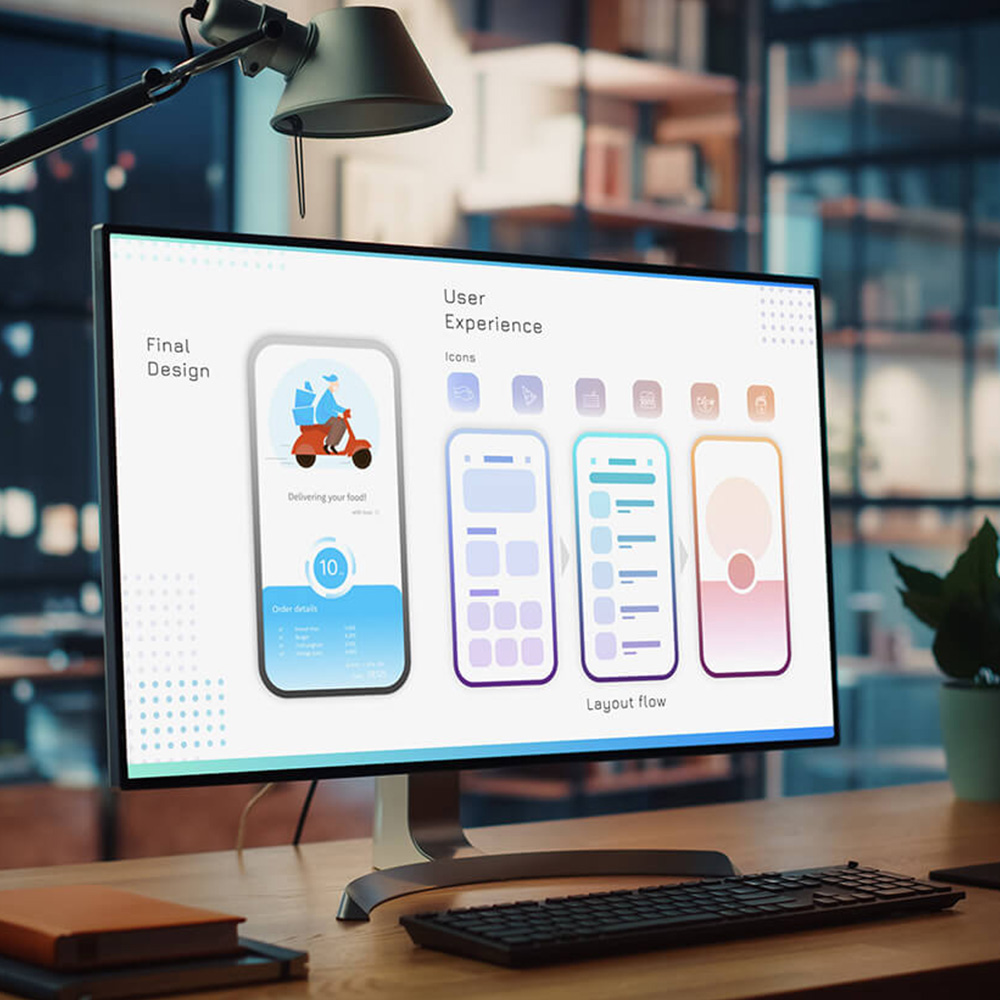



- Innovation journeys from concept to launch with https://enterprisedesign.co.uk empower businesses
- Understanding the Innovation Lifecycle
- The Role of User-Centric Design
- Building an Innovation-Ready Culture
- Overcoming Resistance to Change
- Leveraging Technology for Innovation
- The Importance of Data Analytics
- Scaling Innovations for Market Impact
- Future Trends in Innovation and Strategic Partnership
Innovation journeys from concept to launch with https://enterprisedesign.co.uk empower businesses
In today's rapidly evolving business landscape, innovation isn't merely a desirable attribute; it’s a fundamental requirement for survival and growth. Companies are consistently seeking ways to differentiate themselves, enhance efficiency, and respond effectively to changing market demands. This pursuit often necessitates a comprehensive approach to design thinking, strategy implementation, and technological integration. Successfully navigating this complex terrain requires expertise and a dedicated partner. That's where a company like https://enterprisedesign.co.uk steps in, offering a suite of services designed to empower businesses on their innovation journeys – from the initial spark of an idea to its full-scale launch.
The path to innovation is rarely straightforward. It’s filled with challenges, potential pitfalls, and the need for constant adaptation. Many organizations struggle to translate conceptual ideas into tangible products or services, often due to a lack of resources, specialized skills, or a clear strategic vision. Successfully bridging this gap requires a multidisciplinary team capable of understanding the intricacies of market analysis, user experience design, and technological feasibility. Furthermore, effective innovation management involves fostering a culture of experimentation, embracing failure as a learning opportunity, and continuously iterating based on data-driven insights. A strategic partner can provide the necessary framework and support to streamline this process, allowing businesses to focus on their core competencies and achieve sustainable competitive advantage.
Understanding the Innovation Lifecycle
The innovation lifecycle isn't a single event, but rather a series of interconnected phases, each with its unique challenges and opportunities. It typically begins with ideation, the generation of new ideas through brainstorming sessions, market research, and competitor analysis. This is followed by concept development, where these initial ideas are refined and developed into more concrete proposals. The next stage involves prototyping, creating tangible representations of the concept to test its functionality and gather user feedback. Following successful prototyping comes the implementation phase, where the final product or service is developed and prepared for launch. Finally, the launch and post-launch phases involve marketing, sales, and ongoing monitoring to ensure the innovation meets its intended objectives and continues to evolve based on market response.
The Role of User-Centric Design
Central to a successful innovation journey is a unwavering commitment to user-centric design. This means placing the needs, preferences, and behaviors of the target audience at the heart of the design process. It's not enough to simply create a product or service that appears innovative; it must genuinely solve a problem or fulfill a need for the intended user. This often involves conducting thorough user research, creating detailed user personas, and employing iterative design methodologies such as Agile and Lean UX. The goal is to develop solutions that are not only technologically advanced but also intuitive, accessible, and enjoyable to use. Ignoring user feedback or making assumptions about their needs can lead to costly errors and ultimately, a failed innovation.
| Phase | Key Activities |
|---|---|
| Ideation | Brainstorming, Market Research, Competitor Analysis |
| Concept Development | Refining Ideas, Feasibility Studies, Business Case Development |
| Prototyping | Creating Mockups, User Testing, Iterative Design |
| Implementation | Development, Testing, Quality Assurance |
| Launch & Post-Launch | Marketing, Sales, Monitoring, Ongoing Improvement |
Effective innovation requires meticulous planning and execution across each of these phases, and a partner experienced in navigating the complexities of each step can be invaluable. The ability to anticipate potential roadblocks, manage resources effectively, and adapt to changing circumstances are all critical skills that contribute to a successful outcome.
Building an Innovation-Ready Culture
Technology and strategic planning are vital, but they're insufficient without a supportive organizational culture. An innovation-ready culture is one that encourages experimentation, embraces risk-taking, and values continuous learning. This necessitates fostering an environment where employees feel empowered to share ideas, challenge conventional wisdom, and pursue novel approaches. It also means creating structures and processes that facilitate collaboration and knowledge sharing across different departments and teams. Leadership plays a crucial role in setting the tone and demonstrating a commitment to innovation through both words and actions. This includes allocating resources to support innovative projects, recognizing and rewarding employees for their creative contributions, and providing opportunities for professional development.
Overcoming Resistance to Change
Naturally, implementing a culture of innovation isn’t without its hurdles. Resistance to change is a common phenomenon within organizations, often stemming from fear of the unknown, concerns about job security, or simply a preference for established routines. Addressing this resistance requires proactive communication, transparent leadership, and a clear articulation of the benefits of innovation. It’s also important to involve employees in the change process, soliciting their feedback and addressing their concerns. Furthermore, demonstrating early successes – even small wins – can help build momentum and overcome skepticism. Providing training and support to help employees develop the skills and knowledge needed to embrace new technologies and methodologies is also essential.
- Encourage open communication and feedback channels.
- Provide resources and support for experimentation.
- Recognize and reward innovative contributions.
- Promote cross-functional collaboration.
- Lead by example, demonstrating a commitment to innovation.
Creating a thriving innovation culture is a long-term investment, but one that yields significant returns in terms of increased competitiveness, employee engagement, and organizational resilience. Partners like https://enterprisedesign.co.uk can assist in facilitating this cultural shift through tailored workshops, assessments, and ongoing support.
Leveraging Technology for Innovation
Technology serves as a powerful enabler of innovation, providing businesses with new tools and platforms to streamline processes, enhance customer experiences, and unlock new revenue streams. Artificial intelligence (AI), machine learning (ML), cloud computing, and the Internet of Things (IoT) are just a few of the technologies driving this transformation. However, simply adopting these technologies isn’t enough; organizations must strategically integrate them into their existing infrastructure and workflows. This requires a deep understanding of their capabilities, limitations, and potential applications. Furthermore, it’s essential to consider the ethical implications of these technologies and ensure they are used responsibly and in alignment with organizational values. The ability to rapidly prototype and test new technological solutions is also crucial for accelerating the innovation process.
The Importance of Data Analytics
In the age of big data, data analytics has become an indispensable tool for driving innovation. By collecting, analyzing, and interpreting data from various sources, businesses can gain valuable insights into customer behavior, market trends, and operational efficiencies. These insights can then be used to identify opportunities for improvement, develop new products and services, and personalize customer experiences. Effective data analytics requires not only the right tools and technologies but also the skills and expertise to extract meaningful insights from complex datasets. Investing in data science capabilities, or partnering with a specialized analytics provider, can unlock a wealth of knowledge that would otherwise remain hidden. Properly managed data enables businesses to make informed decisions and iterate effectively, minimizing risk and maximizing the chances of success.
- Define clear objectives for data collection and analysis.
- Invest in robust data infrastructure and security measures.
- Develop a data-driven culture within the organization.
- Utilize advanced analytics techniques such as machine learning and AI.
- Continuously monitor and evaluate the effectiveness of data-driven initiatives.
Ultimately, technology is merely a means to an end. The true power of innovation lies in the ability to harness these tools effectively and apply them to solve real-world problems. A partner like https://enterprisedesign.co.uk can guide organizations through this process, helping them identify the right technologies, integrate them seamlessly, and leverage them to achieve their innovation goals.
Scaling Innovations for Market Impact
Successfully launching an innovation is only the first step. The real challenge lies in scaling it effectively to reach a wider audience and achieve significant market impact. This requires a robust go-to-market strategy, efficient operational processes, and a scalable technology infrastructure. It also necessitates a deep understanding of the target market, including their needs, preferences, and purchasing behaviors. Scaling an innovation often involves adapting the product or service to different regions or customer segments, which may require localization, customization, or the development of new features. Furthermore, it’s crucial to monitor key performance indicators (KPIs) closely and make data-driven adjustments to optimize performance and ensure sustainable growth.
Future Trends in Innovation and Strategic Partnership
The innovation landscape is continuously shifting, driven by emerging technologies, evolving consumer expectations, and global challenges. One significant trend is the increasing convergence of physical and digital worlds, fueled by advancements in augmented reality (AR), virtual reality (VR), and the metaverse. These technologies are creating new opportunities for immersive experiences, remote collaboration, and personalized interactions. Another key trend is the growing emphasis on sustainability and responsible innovation, as businesses face increasing pressure to address environmental and social concerns. This is leading to the development of eco-friendly products, circular economy models, and ethical AI solutions. Furthermore, the rise of decentralized technologies, such as blockchain, is enabling new forms of collaboration, transparency, and security. Navigating these complex trends requires a proactive and forward-thinking approach, and a strategic partner equipped with the expertise to anticipate and respond to emerging challenges. As organizations strive to remain competitive in this dynamic environment, leveraging external expertise and fostering collaborative partnerships will become increasingly critical. The right partner will not just deliver solutions, but will also act as a catalyst for continuous innovation, helping businesses to adapt, evolve, and thrive in the years to come.