


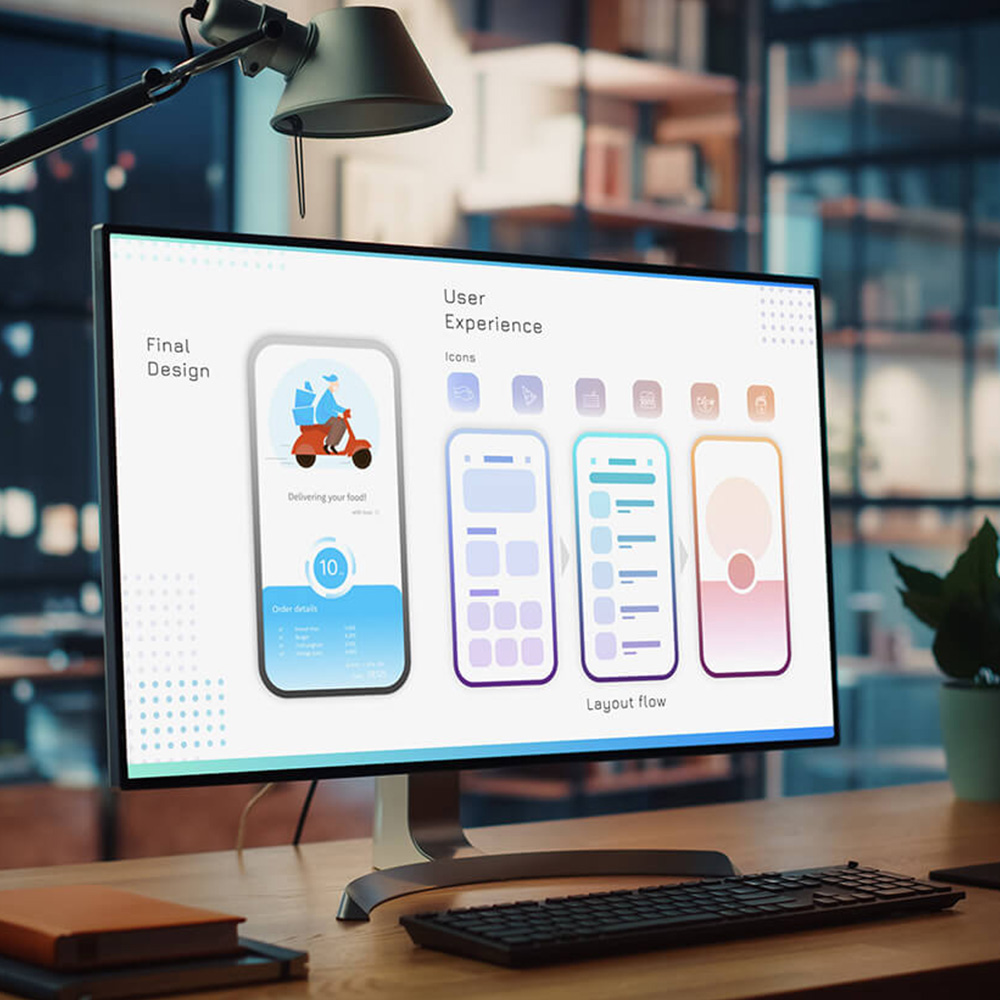



- Progress from design to deployment through td 777 and advanced solutions
- Enhancing Project Lifecycles with Integrated Platforms
- The Role of Automation in Streamlining Tasks
- Collaboration and Communication in a Digital Workspace
- Building a Knowledge Base for Future Success
- Data-Driven Insights and Performance Analytics
- Predictive Analytics and Risk Management
- Scaling Solutions for Enterprise-Level Deployment
- The Future of Collaborative Work and the Evolving Role of Technology
Progress from design to deployment through td 777 and advanced solutions
The landscape of modern project management and operational efficiency is constantly evolving, demanding innovative solutions to streamline workflows and maximize productivity. Enter the realm of sophisticated technological tools, where platforms like td 777 are gaining prominence. These advanced systems aim to bridge the gap between initial design concepts and fully deployed, functional solutions, offering a comprehensive suite of features designed to empower teams and accelerate progress. The core principle revolves around creating a centralized hub for all project-related information, fostering collaboration, and enabling data-driven decision-making.
The effective implementation of any technology, however, relies not just on the tool itself, but also on a well-defined strategy and a thorough understanding of its capabilities. Organizations must carefully assess their specific needs and tailor the system’s functionalities to align with their existing processes and future goals. This isn’t simply about adopting new software; it's about fundamentally rethinking how work is done and embracing a culture of continuous improvement. Ultimately, the success of these platforms stems from their ability to facilitate seamless communication, automate repetitive tasks, and provide real-time insights into project performance.
Enhancing Project Lifecycles with Integrated Platforms
Modern project lifecycles are characterized by increasing complexity and a need for agility. Traditional methods often struggle to keep pace with rapidly changing requirements and stakeholder expectations. Integrated platforms, built on principles of workflow automation and data centralization, offer a powerful antidote to these challenges. They provide a single source of truth for all project-related data, reducing the risk of errors, miscommunication, and delays. This centralized approach allows team members to access the information they need, when they need it, fostering a more collaborative and productive environment. Consider the benefits for distributed teams, where seamless access to current data is crucial for coordinated effort. Real-time updates and version control minimize confusion and ensure everyone is working from the most accurate information.
The Role of Automation in Streamlining Tasks
A key component of these advanced platforms is their ability to automate repetitive tasks, freeing up valuable time for team members to focus on more strategic initiatives. From automated reporting and task assignment to data validation and quality control, automation streamlines processes and reduces the potential for human error. This not only improves efficiency but also enhances the overall quality of work. For example, automated testing frameworks can identify bugs and vulnerabilities early in the development cycle, preventing costly rework later on. Furthermore, automation can facilitate compliance with industry regulations and standards, minimizing the risk of penalties and legal issues.
| Feature | Benefit |
|---|---|
| Automated Reporting | Saves time and provides real-time insights. |
| Task Assignment Automation | Ensures efficient distribution of work. |
| Data Validation | Improves data accuracy and reduces errors. |
| Version Control | Manages changes and prevents overwriting of work. |
The strategic use of automation isn’t about replacing human workers; it’s about augmenting their capabilities and enabling them to focus on tasks that require creativity, critical thinking, and problem-solving skills. It allows organizations to scale their operations without necessarily increasing their headcount, leading to significant cost savings and improved profitability. Automation, when implemented correctly, becomes a powerful engine for growth and innovation.
Collaboration and Communication in a Digital Workspace
Effective collaboration and communication are the cornerstones of any successful project. However, in today’s increasingly distributed work environments, maintaining these connections can be challenging. Modern platforms address this by providing a centralized digital workspace where team members can interact, share information, and collaborate in real-time. Features like instant messaging, video conferencing, and document sharing make it easy to stay connected, regardless of location. This fosters a sense of community and promotes a more cohesive team dynamic. Transparency is also significantly improved; all communication and project updates are readily accessible to authorized personnel, reducing the likelihood of misunderstandings and ensuring accountability.
Building a Knowledge Base for Future Success
Beyond real-time collaboration, these platforms also facilitate the creation of a comprehensive knowledge base that can be leveraged for future projects. By documenting best practices, lessons learned, and successful strategies, organizations can avoid repeating past mistakes and continuously improve their performance. This knowledge base serves as a valuable resource for onboarding new team members and ensuring consistency across projects. Centralized documentation reduces reliance on individual expertise and safeguards against knowledge loss when employees leave the organization. A well-maintained knowledge base acts as a repository of institutional memory, enabling continuous learning and innovation.
- Centralized document storage and version control.
- Real-time chat and video conferencing capabilities.
- Integrated project management tools for task assignment and tracking.
- Automated workflows for streamlined processes.
- Comprehensive reporting and analytics dashboards.
The true power of these centralized systems lies in their ability to transform scattered information into actionable insights, enabling teams to make informed decisions, collaborate more effectively, and deliver superior results. Encouraging active participation and contribution to the knowledge base is crucial for its long-term success.
Data-Driven Insights and Performance Analytics
In the modern business world, data is arguably the most valuable asset an organization possesses. The ability to collect, analyze, and interpret data is essential for making informed decisions and driving strategic growth. Advanced platforms provide robust analytics capabilities that allow project managers to track key performance indicators (KPIs), identify trends, and measure the effectiveness of their efforts. This data-driven approach enables organizations to proactively identify and address potential issues, optimize resource allocation, and improve overall project outcomes. Real-time dashboards provide a visual representation of project progress, highlighting areas that require attention and facilitating data-driven decision-making. The integration of these analytics into the core project management workflow is a game-changer for organizations seeking to maximize their return on investment.
Predictive Analytics and Risk Management
Beyond simply tracking historical data, many modern platforms incorporate predictive analytics capabilities that can forecast future trends and potential risks. By analyzing past project performance and identifying patterns, these systems can alert project managers to potential roadblocks and proactively suggest mitigation strategies. This predictive approach allows organizations to anticipate challenges and take corrective action before they escalate, minimizing disruptions and ensuring projects stay on track. For example, predictive models can identify projects that are at risk of exceeding their budget or timeline, enabling project managers to intervene and implement preventative measures. This proactive approach to risk management is particularly valuable in complex projects with numerous dependencies.
- Define clear project goals and KPIs.
- Collect and analyze relevant data.
- Identify patterns and trends.
- Develop predictive models.
- Implement mitigation strategies.
By embracing a data-driven approach, organizations can transform their project management processes from reactive to proactive, improving their ability to deliver successful projects on time and within budget. The insights gleaned from these platforms empower teams to make smarter decisions and optimize their performance.
Scaling Solutions for Enterprise-Level Deployment
While initial implementation might focus on smaller teams or specific projects, the ultimate goal for many organizations is to scale these solutions across the entire enterprise. This requires careful planning and consideration of factors such as infrastructure, security, and integration with existing systems. A scalable platform should be able to accommodate a growing number of users, projects, and data without compromising performance or reliability. Furthermore, it should integrate seamlessly with other enterprise applications, such as CRM, ERP, and HR systems, to create a unified and streamlined workflow. The ability to customize the platform to meet the specific needs of different departments and business units is also crucial for successful enterprise-level deployment.
Security is paramount when considering enterprise-level deployment. The platform must provide robust security features to protect sensitive data from unauthorized access and cyber threats. This includes encryption, access controls, and regular security audits. Compliance with industry regulations and standards, such as GDPR and HIPAA, is also essential. A robust security framework ensures the confidentiality, integrity, and availability of critical project data. It's vital that organizations prioritize these aspects throughout the implementation and ongoing maintenance phases.
The Future of Collaborative Work and the Evolving Role of Technology
The trend towards increasingly collaborative and data-driven work environments is set to continue, driving further innovation in the realm of project management platforms. We can anticipate the integration of artificial intelligence (AI) and machine learning (ML) to automate even more tasks, provide more sophisticated insights, and personalize the user experience. AI-powered assistants could proactively identify potential risks, suggest optimal resource allocation, and even automate code generation. Virtual and augmented reality (VR/AR) technologies could revolutionize collaboration by creating immersive and interactive workspaces, allowing remote teams to work together as if they were in the same room.
The future isn’t just about adding more features; it’s about creating more intuitive and user-friendly experiences. Platforms will need to become increasingly adaptable and responsive to the needs of individual users, providing personalized recommendations and streamlining workflows. These advancements in technology will empower teams to work more efficiently, innovate more rapidly, and achieve greater success in the face of ever-increasing challenges. The impact of tools like td 777, and others like it, will reshape the future of work, enabling organizations to thrive in the digital age, and ultimately benefit from a more agile and interconnected working world.